School profile

Alexandria City HS

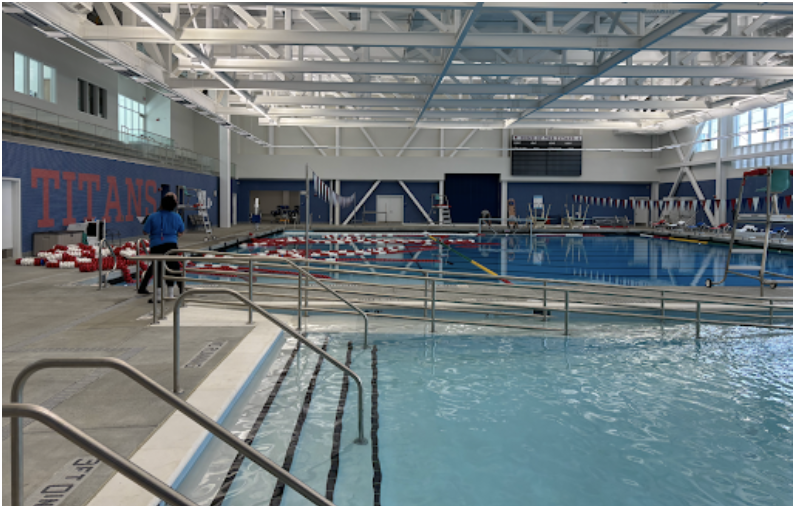
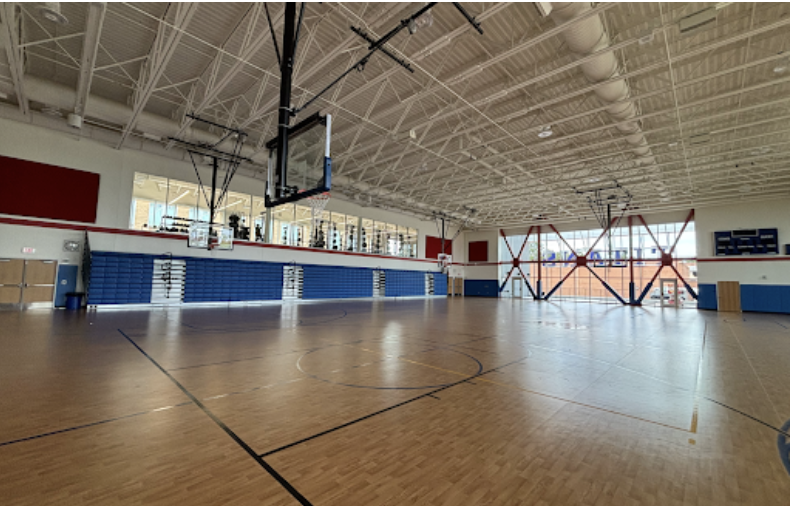
Alexandria City High School (formerly T.C. Williams High School), in Alexandria, Virginia, is a comprehensive public high school that serves approximately 4,500 students in grades 9-12 across multiple campuses (King Street, Minnie Howard, Satellite, and Chance for Change) under the "Connected High School Network." The new Minnie Howard Campus, opened for the 2024-25 school year, is a 343,000-square-foot facility built to accommodate about 1,600 students, expanding capacity and modernizing facilities.

How Alexandria City redesigned

A school designed around academies.

Facing rapid growth and a new campus, Alexandria City reorganized around six academies — giving every student a clearer path from classroom to career.

1 of 5 sections open

The context

A Day in the Life

Maria, a 10th grader in the STEM Academy at Alexandria City High, arrives at the new Minnie Howard Campus to start her day in her "academy home base," where she meets with her small group of cohort classmates (about 100-200 peers) and her academy advisor. They review her schedule, check progress in her pathway classes, and set goals for upcoming project work.

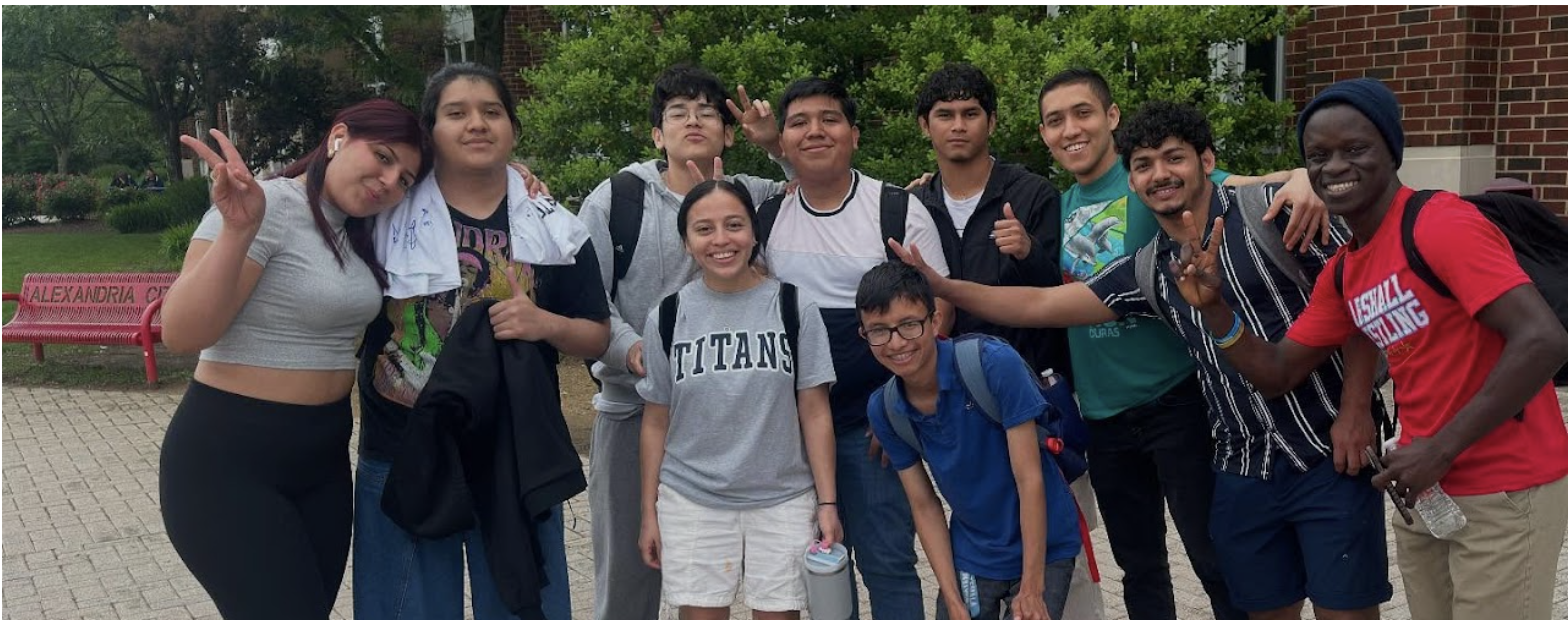
A group of Alexandria City High School students posing together outdoors on campus
Stage 1 of 3: Part 1. Maria, a 10th grader in the STEM Academy at Alexandria City High, arrives at the new Minnie Howard Campus to start her day in her "academy home base," where she meets with her small group of cohort classmates (about 100-200 peers) and her academy advisor. They review her schedule, check progress in her pathway classes, and set goals for upcoming project work.

The challenge

School Redesign Goals

The redesign process was sparked by several converging pressures: rapidly growing enrollment (from around 3,800 students toward a projected 5,000 by 2025), aging infrastructure, and a recognition that adding capacity would not be enough to address issues of access, relevance, and student engagement. Rather than simply expanding, the district seized the chance to reimagine high school. They rethought how learning is organized, how to provide more student choice and more coherent supports so that all students succeed, and how to make stronger connections between what students are learning and their futures.

“The redesign emphasizes project-based learning, which features multiple pathways to make real connections to college, career, and civic life.”

Watch this video to learn more about the ACHS Redesign process and what the school looks like now:
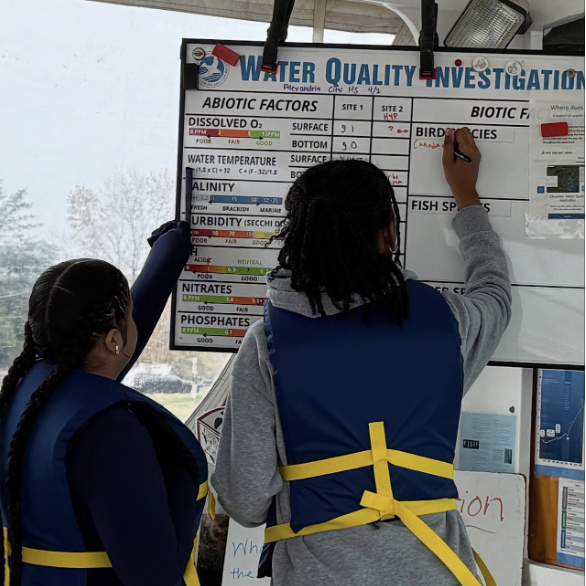
Two students in life vests working at a water quality investigation data station
Watch
The ACHS Redesign ProcessHear from ACHS leadership about the redesign.

01 / Design element

Clear Identity

As of the 2024-25 academic year, ACHS has six articulated academies (STEM; Business & Government; Education, Liberal Arts & Human Services; Visual, Performing & Applied Arts; Global Studies; and General Studies), each with a coherent identity that aligns with the career/college paths enrolled students are interested in pursuing. The "Academies at Alexandria City" model gives students a clear vision of what their high school experience will emphasize and where it might lead.

02 / Design element

Small Learning Communities

Through the academies and the "team approach" (especially on the Minnie Howard Campus), students are placed in smaller cohorts where core subject teachers (English, math, social studies, science), counselors, and social workers serve a set group of students, building stronger relationships and support. Freshman Seminar and smaller home base structures are the next horizon for ACHS as they work to help ensure students are known, supported, and can navigate high school more successfully.

03 / Design element

Real-World Learning

The redesign emphasizes project-based learning, which features multiple pathways to make real connections to college, career, and civic life. There are new Career and Technical Education (CTE) labs and pathways (e.g. robotics, cyber security, health sciences, etc.), as well as partnerships with local industry. The architecture of the new building supports interdisciplinary learning spaces, maker spaces, labs, and common areas to foster creativity and collaboration.

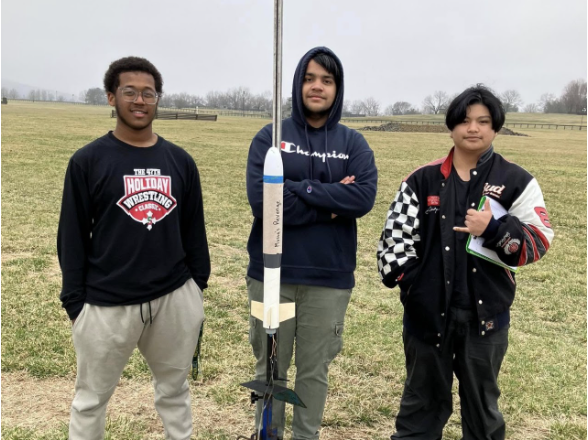
Three students with a model rocket on a launch stand in a field
More Resources

Continue exploring the ideas and examples behind this structure.