Leadership is a practice
Distributed Leadership
Structures that support and facilitate shared ownership and agency at all levels, including opportunities for learners and educators to make decisions. These include structures such as student advisory, Instructional Leadership Teams (ILT), and school committees.

Ector County Independent School District
Ector County ISD's Opportunity Culture program decentralizes authority and builds teacher-led leadership into every layer of its school system. Through the roles of Multi-Classroom Leaders (MCLs), Team Reach Teachers, and Teacher Residents, ECISD empowers highly effective teachers to lead and coach peers while still teaching, rather than forcing career advancement to mean leaving the classroom.
These teacher-leaders share responsibility for instructional improvement, teacher development, and student outcomes, supporting school design teams on each campus. Schools design their own structures for which teachers lead, which grade levels or content areas they support, and how their team will function — giving ownership to those closest to students. At the same time, the district supports these roles with compensation, training, and shared decision making, making distributed leadership a lived, sustainable part of how ECISD operates.
Ector County ISD

High Tech Elementary
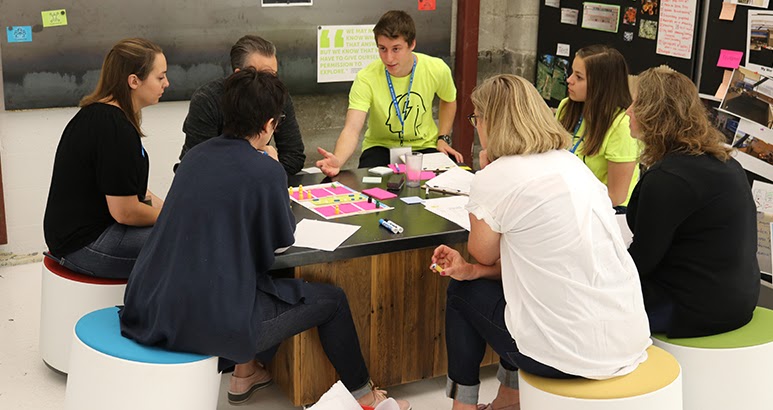
At High Tech Elementary, there are many teacher-led committees that play an active role in school decision-making, ensuring teacher buy-in and ownership, making implementation of new initiatives smoother and more effective.
Some examples of committees:
- Events Committee: Planned school-wide events to honor holidays, heritage months, and family engagement initiatives
- Professional Learning Committee: Designed staff meetings and professional development based on teacher input
- School Schedule Committee: Evaluated and improved the school schedule
- Curriculum Committee: Collaborated on curriculum decisions
“Schools design their own structures for which teachers lead, which grade levels or content areas they support, and how their team will function — giving ownership to those closest to students.”

One Stone
One Stone is a student-led and directed school focused on experiential service, innovative initiatives, and social entrepreneurship. Students are an active part of decision making at the school, making up two-thirds of the seats on the board of directors.
Terra Nova
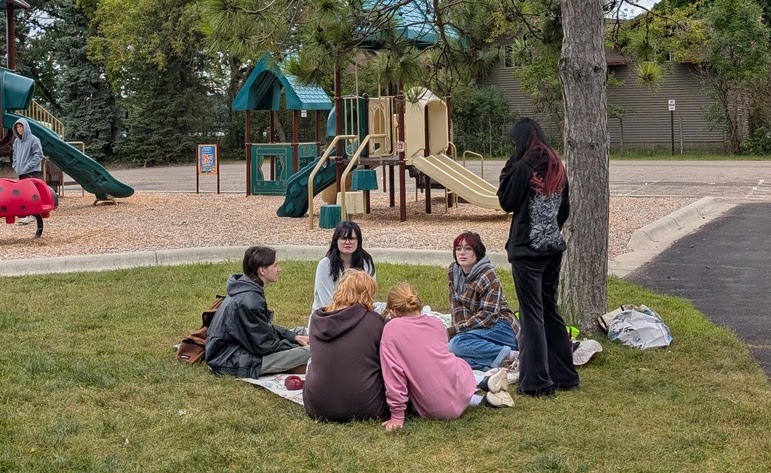
Terra Nova is a teacher-powered school, where each teacher is a member of a number of committees that deal with all decisions needed with running a school. The weekly Team Professional Practice (TPP) meetings are spaces to vote on recommendations from those different committees.
Examples of committees include:
- The Curriculum Committee focuses on how to provide opportunities, experiences, and materials that serve student-driven projects.
- The Operations and Communications Committee focuses on the physical aspects of the school, from building maintenance to determining snow days and communicating with families.
- The Finance Committee creates the budget for the school, approves purchases and seeks grants and other funding.
- The Staff Development Committee provides professional learning.
- The Building Committee researched and executed acquiring a permanent property for the school and worked to create a renovation plan.
“Teacher-led committees play an active role in school decision-making, ensuring teacher buy-in and ownership, making implementation of new initiatives smoother and more effective.”
Continue exploring the ideas and examples behind this structure.