Learn your way forward

Phase 3: Implement & Iterate

Bringing a redesign plan to life is an iterative process that requires the entire school ecosystem or community. In this phase, the Design Team and school leadership begin to share the redesign plan with the community and implement their first steps, measuring progress along the way and iterating or adapting as needed. It's important to note that school redesign is not just about structures and plans, it's about culture. Without intentional attention to trust, collaboration, and learner-centered mindsets, even the best-designed structures risk regressing to traditional ways of being. Throughout this phase, it's critical to attend to educator, learner, family needs and mindsets to shift practice at a deeper level.

Learn your way forward

Make the plan real.

Put the redesign into practice, learn from evidence, and keep improving with the community.

1 of 3 sections open

01 / Phase 3 step

Socialize the Redesign Plan

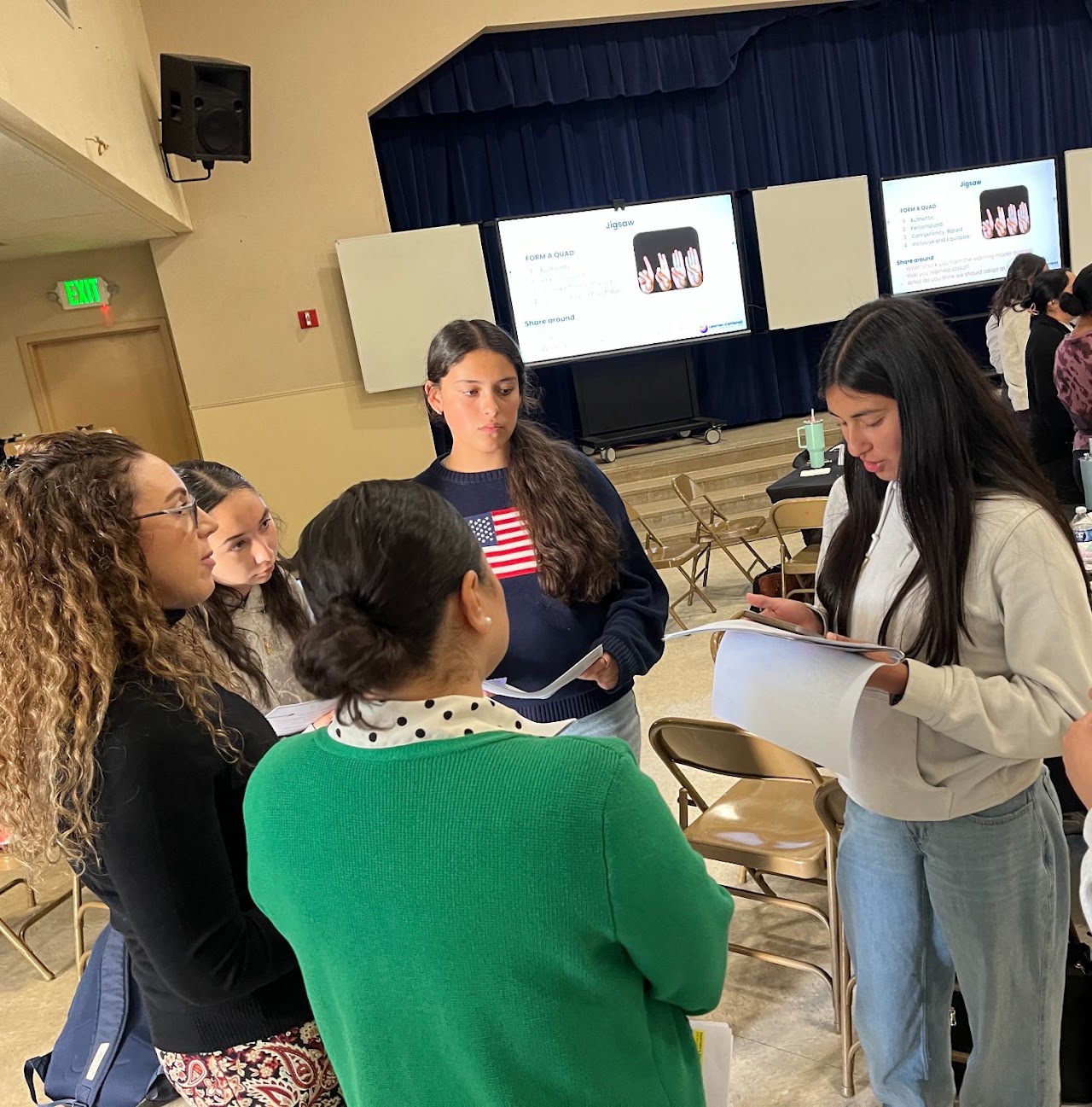
Socializing the redesign plan begins long before this phase. During the designing and planning phase, leaders and Design Teams should be bringing ideas to the community for feedback and prototyping directly in schools to test ideas and surface feedback. However, once a plan is established and implementation officially begins, it's important to share the vision and plan coherently and comprehensively with faculty/staff, learners, and families. This can be in the form of:

  • A faculty meeting
  • Assemblies
  • Back to School Night
  • Family newsletters
  • Coffee Chats with families
  • Social Media announcements
  • Updating the school website

The members of the Design Team should tell the story of the redesign vision and strategy to reinforce the collaborative nature of the redesign process.
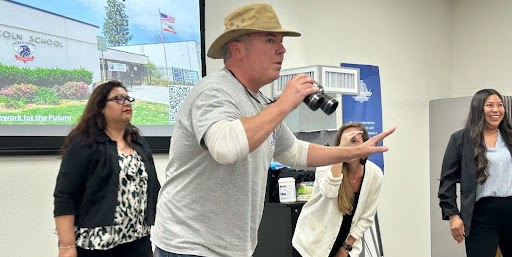
Presentation at a Back to School Night
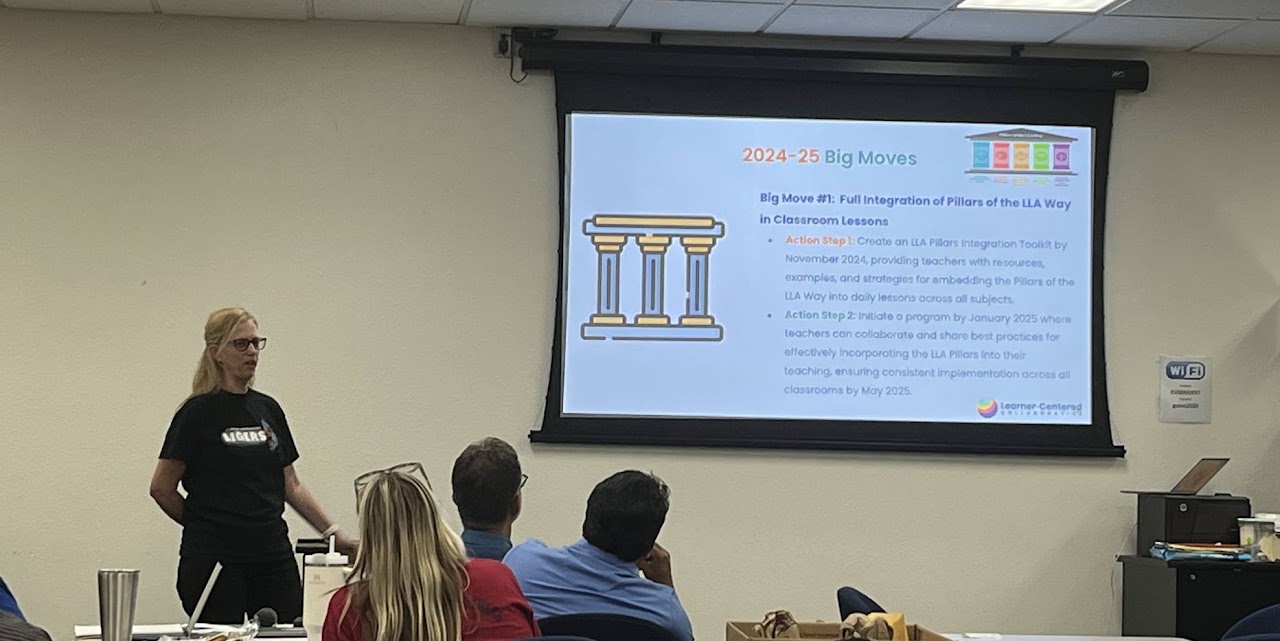
Presentation of the 2024-25 Big Moves slide to a small audience
EUSD's Design Team, Superintendent, and several board members gathered for an unveiling and celebration of redesign cohort #2's design pitches. These pitches represent an important milestone in the redesign journey of each of these five schools, showcasing the bold vision for learner-centered education personalized to each of their communities' hopes and needs.

02 / Phase 3 step

Implement the Redesign Plan, Measure Progress & Iterate

Ecosystem shifts take time. Whether you're emphasizing and illuminating bright spots or launching a new advisory program, rolling out a redesign is iterative. It requires putting the 3-5 year plan into practice, starting small and growing programs over time, and adjusting based on success indicators and community feedback data.

“Each step of listening, designing, planning, implementing, and iterating brings schools closer to becoming vibrant learner-centered ecosystems where learners thrive.”

Redesigns on paper and in conversation will likely play out differently in practice. Measuring goals and getting feedback from educators and learners is integral to adapting a specific Big Move to better suit a school community. Doing so strengthens and personalizes the redesign over time. Clearly communicating that progress to the community further reinforces that a redesign is collaborative and long-term.

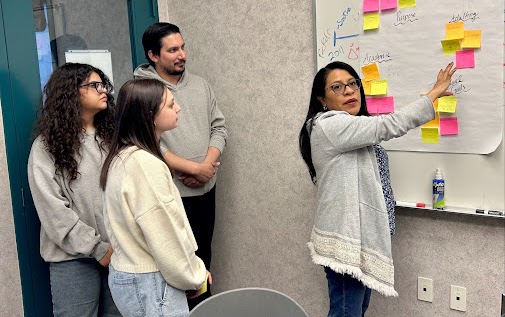
A small group huddled around presentation boards
Students and teachers at Keith McCarthy Academy iterating on their school redesign plans
As part of the Design Team at Keith McCarthy Academy in Lake Elsinore Unified School District, students and teachers come together to iterate on their school redesign plans.

03 / Phase 3 step

Creating Schools of Belonging, Purpose, and Possibility

School redesign is ultimately about creating schools that reflect the hopes and needs of their communities and center learners, unlocking their full potential to know who they are, thrive in community, and engage in the world as their best selves. Each step of listening, designing, planning, implementing, and iterating brings schools closer to becoming vibrant learner-centered ecosystems where learners thrive. When we start by centering the voices of the community, and stay the course through continuous iteration and improvement, schools can change more than just programs or schedules - they can become places of belonging, purpose, and possibility for every learner.

“School redesign is not just about structures and plans, it's about culture. Without intentional attention to trust, collaboration, and learner-centered mindsets, even the best-designed structures risk regressing to traditional ways of being.”