Understand & Focus

Phase 1: Align

Align on the opportunity for innovation by deeply understanding the needs of learners, educators, and the system as it exists today, and identify the goal for the design cycle. Map the system and its constraints, set goals, DARCI, and AIM statements, and build relational trust before prototyping.

Understand & Focus

Center learners.

Build a shared vision and name the outcomes that matter. Study the current reality and surface strengths, needs, and opportunities before you prototype.

Key questions

  • What are learners experiencing?
  • What matters most?
  • Where is the greatest opportunity?

Output

A clear challenge, priority, or goal to work on.

1 of 5 sections open

01 / Align

Form a Design Team

A strong Design Team is essential for a successful school redesign initiative, serving as both vision-shapers and trust-builders. The most effective teams reflect the whole school ecosystem, including leaders, educators, staff, learners, community members, and families. Design Teams typically include 7-10 participants.

“This work must be framed as an opportunity to co-design learner-centered systems and be transparent about the time commitment for participating.”

When selecting Design Team participants, it's important to consider your system's culture carriers. These are people who influence morale and mindsets throughout the system, regardless of job title or role. It's imperative to include them on your Design Team.

Clear communication is also critical. This work must be framed as an opportunity to co-design learner-centered systems and be transparent about the time commitment for participating. Equally important is creating space for learners and families to lead and drive decisions, not just participate. Clarify roles and decision rights early using DARCI so every member knows how they contribute and how decisions will be made.
ToolUse this Tool to Form a Strong Design Team
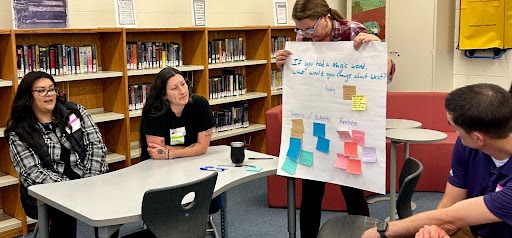
A Design Team meeting together in a library
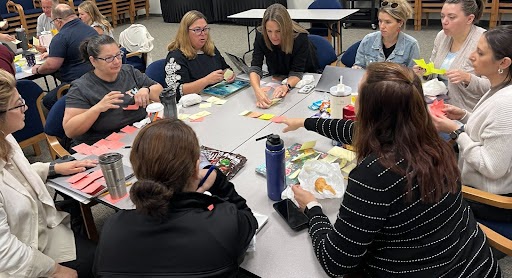
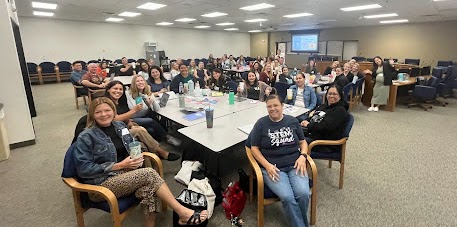
Multiple School Design Teams gathered for a day of redesign planning
Multiple School Design Teams come together for a day of redesign planning in Escondido Union School District.

02 / Align

Listen to the Community

Once the Design Team is formed, the first task is to listen and observe. You can't change what you don't know, and each member of a school has a uniquely different perspective. The first step is bringing those perspectives together to identify:

  • What is going well
  • Opportunities for change
  • The community's aspirations for their learners and their school
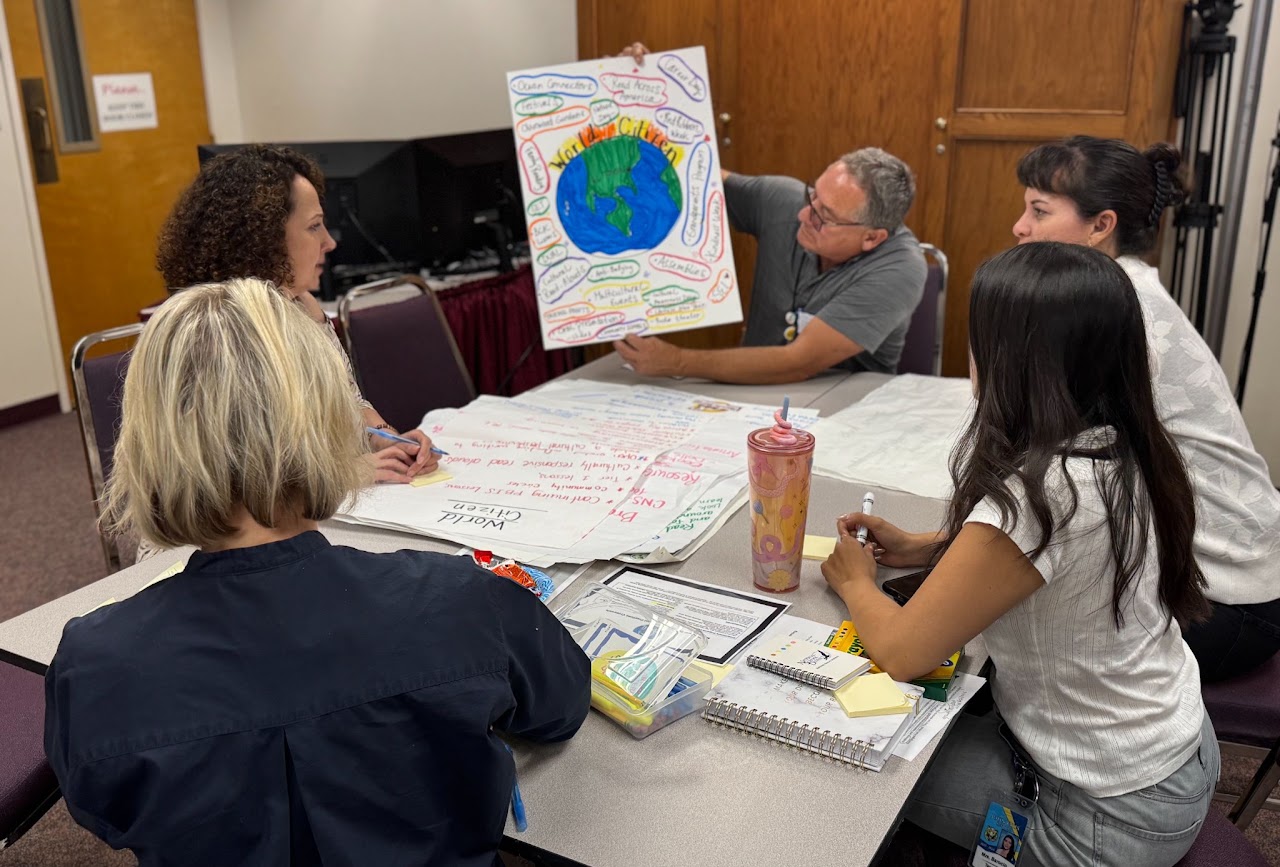
Families reviewing a world map poster with the Design Team
“School redesign does not follow a single path; communities can begin from different entry points depending on their context, needs, and aspirations.”

Gathering these insights helps establish the redesign goals, and it creates buy-in from the community for sustainable, learner-centered change.

While there are many approaches to learning about the school's current state, some key steps include:

  • Classroom Observations: spending time observing what teaching and learning looks like across a range of classrooms and learning environments
  • Empathy Interviews & Focus Groups: listening directly to learners, educators, and families about what they like about their school experience and what they would like to see change in the future
  • Surveys: a combination of qualitative and quantitative data from learners, educators, and families will help tell the story more comprehensively
  • Asset Mapping: identifying what is working in the system to build off of Bright Spots, tap into the strengths of the community and the people who are already leaning into this work
ToolConduct Empathy Interviews & Focus Group
Families reviewing a world map poster with the Design Team
Families from West Campus giving input to the Design Team around a table
Families from West Campus in Colorado Springs District 11 gather to give input to the Design Team.

03 / Align

Map the System and Build Trust

Before prototyping anything, take time to map the system as it exists today: who makes which decisions, where time and resources flow, and which constraints are fixed and which can flex. Naming constraints early helps the Design Team focus its energy on what can actually change and avoids surprises later.

Mapping the system is also relational work. The conversations that surface strengths, needs, and opportunities are where trust is built among the Design Team, educators, learners, and families. That trust is what allows the community to take risks together once prototyping begins.

04 / Align

Determine an Entry Point

School redesign does not follow a single path; communities can begin from different entry points depending on their context, needs, and aspirations. Identifying and building on the assets in your community is critical to a successful redesign as it will help you identify the entry point and honor what has worked as well as opportunities that exist.

“Ultimately, the path forward is less about choosing a single model and more about recognizing that redesign can start anywhere—with one bold step that reflects community voice and opens new possibilities for learning.”

Some options include:

  • Lead a full redesign effort that rethinks schedules, programs, courses, cohorting of learners, and structures of teaching teams to realize a learner-centered vision. Read more about an example of this in Vista Unified at VIDA or West in Colorado Springs District 11.
  • Start small by thinking about tweaks to the schedule such as creating a community-connected week each year to test practices before the community is ready for a full redesign effort. Read more about how Círculos, an XQ school in Santa Ana Unified School District, uses community week to get learners connected to real-world learning opportunities.
  • Establish an innovation center that serves as a regional hub connecting learners with industry pathways, certifications, and authentic work-based learning opportunities that traditional schools may not be able to offer. Read more about an example of this at Opportunity Central in Forney ISD.
  • Launch a microschool, a small, agile learning environment that enables rapid prototyping and proof points for new practices, which can later scale across the system. This could look like piloting a grade-level cohort model by starting with one cohort (such as 6th or 9th grade) to design new learning experiences and structures that will expand to other grade levels as the cohort advances. Read more about an example of a microschool as a lever for school redesign at Hidden Valley Middle School in Escondido USD.
  • Create concurrent learning options that empower learners to design flexible schedules combining coursework across multiple campuses, online platforms, and community-based opportunities. This can broaden access to pathways aligned with individual interests. Read more about an example of this at Alexandria City High School in Alexandria, VA.

Ultimately, the path forward is less about choosing a single model and more about recognizing that redesign can start anywhere—with one bold step that reflects community voice and opens new possibilities for learning.

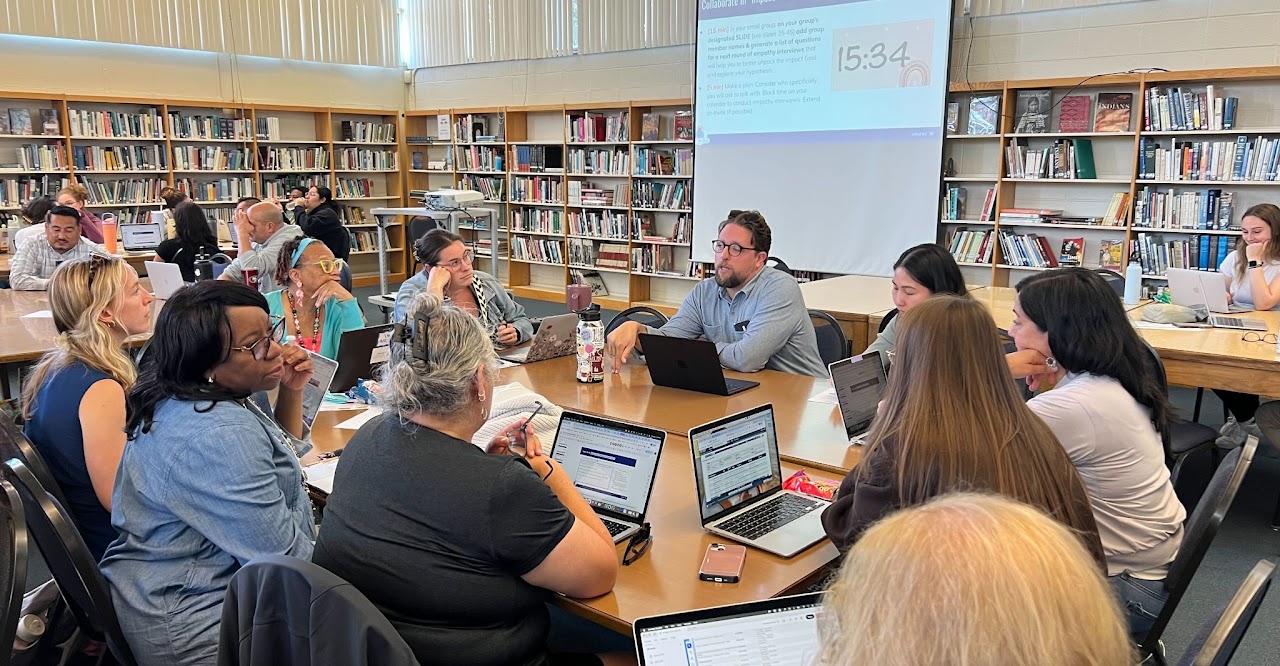
A Design Team meeting to discuss their entry point for redesign

05 / Align

Define Redesign Goals

Once the Design Team has a better sense of the community's assets and needs, it's critical to define the goals of the redesign effort. Framing these as opportunity statements, and then as AIM statements that name what you aim to change and by how much, allows the Design Team, and the community, to understand the goal from an asset-based lens. For example, in one school redesign effort, a Design Team identified that students felt school was being "done to" them. They realized that students had a need for agency and their opportunity statement, or larger goal, became about personalizing student learning so there is relevance in all that they do. As they moved into Co-Design, it also helped serve as a guide for defining success on their redesign efforts and identifying specific success metrics for measuring progress along the way. The output of Align is a clear challenge, priority, or goal to work on.