Imagine & Build

Phase 2: Co-Design

Create intentional onramps for innovation by identifying a small number of high-leverage ideas aligned to the goals and opportunities identified in the Align stage. Generate multiple ideas before converging, build small and testable versions grounded in bright spots, and co-design with the learners, families, and educators affected, not for them. In this phase, Design Teams lean into Learner-Centered School Design Structures to rethink use of time and space and what teaching and learning looks like.

Imagine & Build

Design with, not for.

Prototype with learners and educators, not for them. Bring diverse perspectives together to generate ideas, identify promising approaches, and define what success will look like.

Key questions

  • What might we try?
  • Whose perspectives need to shape the solution?
  • How will we know it is working?

Output

A designed prototype or strategy that has initial feedback and is ready for testing.

1 of 5 sections open

01 / Co-Design

Get Inspired With Inspiration Visits

In addition to looking inward, finding inspiration from other schools helps teams and the broader community see that a different way of doing school is possible. These Inspiration Visits can help a team experience different collaborative learning models, bell schedules, and assessment practices in real-world settings, while leaders can learn about the challenges and obstacles a school encountered along its journey.

By gathering information from a school community and looking for inspiration from others, the redesign process both anchors in what's already going well and helps the community begin to envision what is possible.
ToolUse this School Design Look Fors when visiting other schools
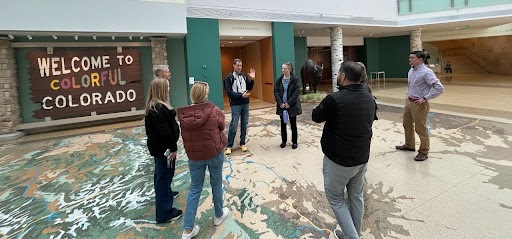
West Campus' Design Team visiting La Luz School in Denver
West Campus' Design Team at La Luz School in Denver

02 / Co-Design

Define An Identity

District or system-level vision, mission, and values statements, along with a Portrait of a Learner, form the foundation for a coherent and compelling North Star. Together, they clarify the system's purpose, describe the future it is working toward, and identify the principles that will guide decisions. These statements are critical for establishing direction, coherence, and shared accountability across a district.

“The district vision should serve as the unifying anchor for all schools within the system.”

Importantly, the district vision should serve as the unifying anchor for all schools within the system. While each school should not create its own separate vision, mission, and values, every school can and should develop its unique *identity*—the way it brings the district's vision to life in its context. A clear school identity expresses how the district vision is enacted through local priorities, partnerships, and learner experiences, ensuring both coherence across the system and relevance within each community.

Developing these identity statements should be a collaborative process that includes educators, learners, families, and community members. When co-created, they authentically reflect shared aspirations and serve as a living guide for decisions, helping each school community stay grounded in purpose while designing for its learners' needs.

During this phase, the Design Team identifies the core principles of the school. Some schools identify a mascot, such as the VIDA Sharks who are guided by what they affectionately call "GILLS", which define how they operate as a design thinking-focused school. Other schools anchor on something important to their community such as the natural environment at SEEQS, the School for Examining Essential Questions of Sustainability. Not only is this identity part of their name, but they have a core project with dedicated time in the schedule each semester focused on these essential questions. Schools like Hālau Kū Māna, an indigenous Hawaiian school, anchor on caring for the earth and reigniting indigenous ways of living and practice. This shows up in how they start the morning, with olis (chants) and how they spend one day a week working in the community.

Read more about establishing a clear school identity here.

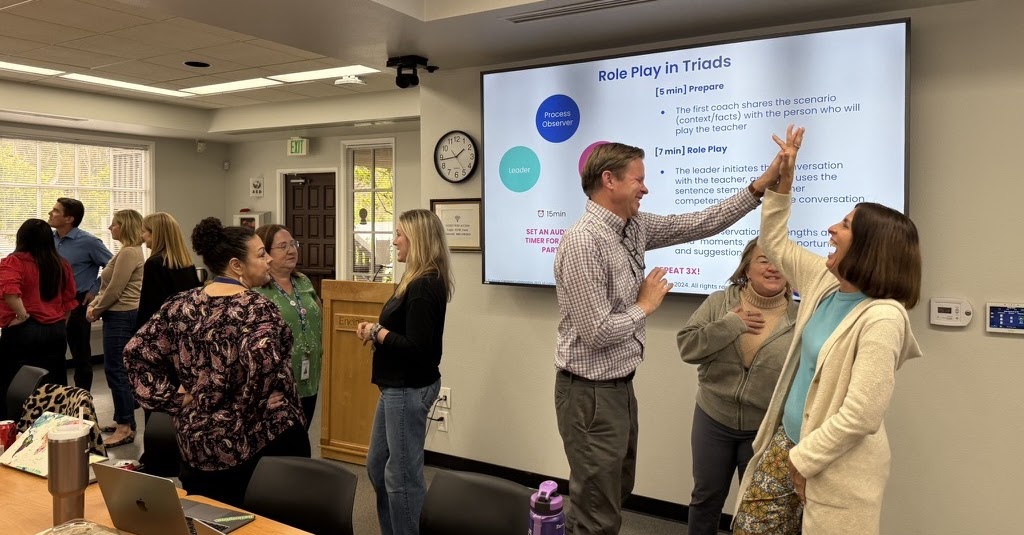
A presentation or training session about defining school identity
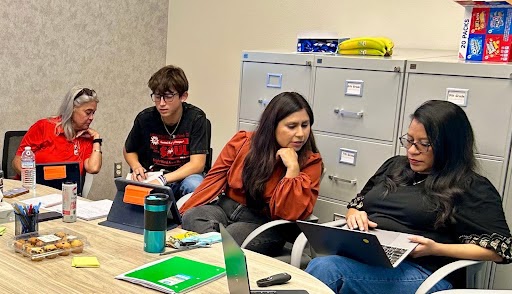
Students, parents, teachers, and staff from Keith McCarthy Academy's Design Team gathered to co-design
Students, parents, teachers, and staff from Keith McCarthy Academy's Design Team in Lake Elsinore Unified School District gather to co-design.

03 / Co-Design

Design for Learner-Centered Structures

With the identity clearly established, school Design Teams turn to the Learner-Centered School Design Structures that will bring their identity to life. These structures shape how teaching, learning, and community function each day, and, when designed intentionally, they ensure that the learner-centered vision is more than words on paper.

“Bringing a redesign plan to life is an iterative process that requires the entire school ecosystem or community.”

Each school will approach these structures differently, but when they are holistically addressed in alignment with the established identity, they create the architecture that enables educators to create a learner-centered community, with personalized, authentic, and competency-based learning experiences to achieve a school's vision for learners. Co-Design is about naming which structures will be prioritized, how they will connect to the school's identity, and which early prototypes will create the conditions for meaningful learning and change.

Read more about each of the 5 structures and how different schools have approached bringing that structure to life here.

04 / Co-Design

Identify Onramps and Define Success

Good co-design generates many ideas before converging. Once the Design Team has explored a range of possibilities, choose a small number of high-leverage ideas that are aligned to the goals and opportunities identified in Align. These are your onramps for innovation. Each onramp should build on bright spots already present in your community and spell out what success will look like. Many teams express these as:

  • Big Moves: The bold changes that will reimagine learning.
  • Success Indicators: Ways schools can measure progress toward their redesign goals and make informed adaptations.
  • Ownership: Clear roles and responsibilities for each initiative, often using shared leadership models to distribute accountability across staff.

05 / Co-Design

Prototype With Learners and Educators

Prototype with learners and educators, not for them. Bring the ideas you have chosen to the community for feedback early, and build small, testable versions of them directly in schools and classrooms. Co-design with the learners, families, and educators who will be most affected so that their perspectives shape the solution rather than react to it.

Each prototype should be small enough to try quickly and specific enough to learn from. The output of Co-Design is a designed prototype or strategy that has initial feedback and is ready for testing.