Test & Learn

Phase 3: Launch

Put the idea into practice in a real setting. Emphasize bounded experimentation rather than large-scale rollout: Design Teams co-create and test low-risk, high-learning prototypes in authentic settings, such as classrooms, grade bands, or schools, through short learning cycles with coaching and feedback loops. It's important to note that school redesign is not just about structures and plans, it's about culture. Without intentional attention to trust, collaboration, and learner-centered mindsets, even the best-designed structures risk regressing to traditional ways of being. Throughout this phase, it's critical to attend to educator, learner, family needs and mindsets to shift practice at a deeper level.

Test & Learn

Put the design into practice.

Put the idea into practice in a real setting. Gather evidence, listen to learners, and make adjustments as you go.

Key questions

  • What are we testing and learning?
  • What evidence are we seeing?
  • What iterations can we make in real time?

Output

Evidence, feedback, and a refined approach.

1 of 2 sections open

01 / Launch

Share What You Are Testing

Sharing the work begins long before this phase. During Co-Design, leaders and Design Teams should be bringing ideas to the community for feedback and prototyping directly in schools. However, once prototypes are ready to be tested in real contexts, it's important to share what you are testing, and why, coherently with faculty/staff, learners, and families. This can be in the form of:

  • A faculty meeting
  • Assemblies
  • Back to School Night
  • Family newsletters
  • Coffee Chats with families
  • Social Media announcements
  • Updating the school website

The members of the Design Team should tell the story of the redesign vision and the experiments underway to reinforce the collaborative nature of the redesign process.
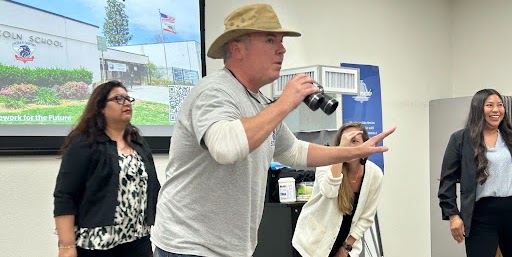
Presentation at a Back to School Night
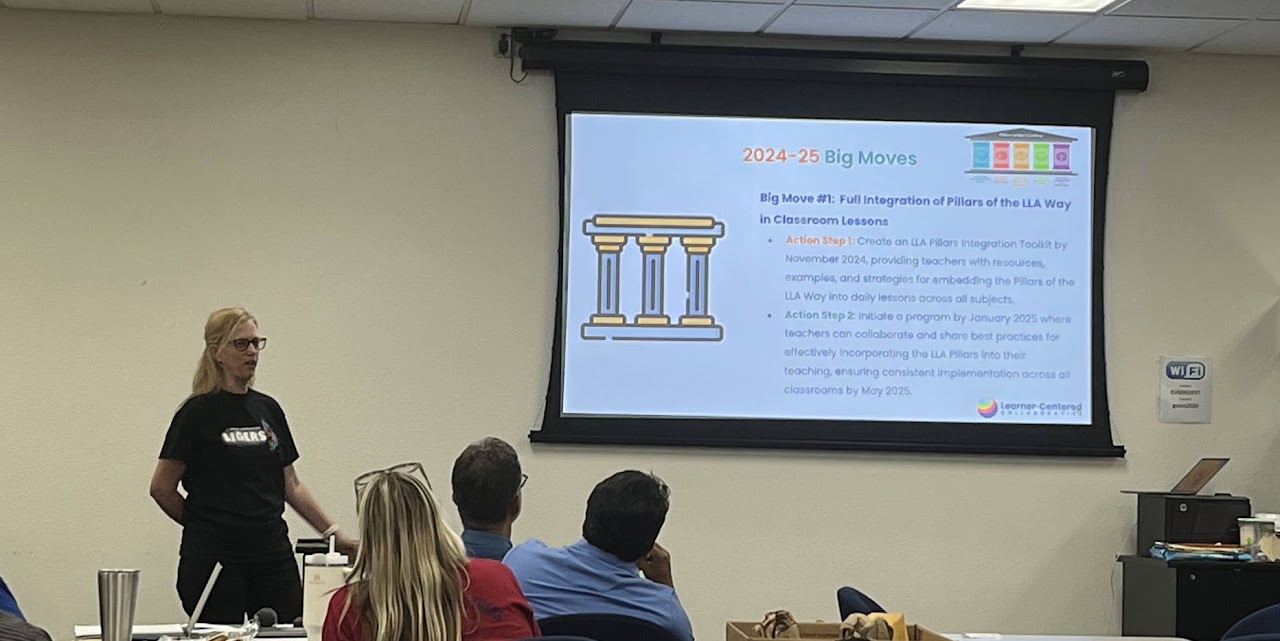
Presentation of the 2024-25 Big Moves slide to a small audience
EUSD's Design Team, Superintendent, and several board members gathered for an unveiling and celebration of redesign cohort #2's design pitches. These pitches represent an important milestone in the redesign journey of each of these five schools, showcasing the bold vision for learner-centered education personalized to each of their communities' hopes and needs.

02 / Launch

Run Bounded Experiments and Iterate in Real Time

Launch emphasizes bounded experimentation rather than large-scale rollout. Design Teams co-create and test low-risk, high-learning prototypes in authentic settings, such as a classroom, a grade band, or a school, through short learning cycles with coaching and feedback loops. Start with early wins: smaller, achievable actions that build momentum and confidence.

“Prototypes on paper and in conversation will likely play out differently in practice.”

Ecosystem shifts take time. Whether you're emphasizing and illuminating bright spots or launching a new advisory program, testing a redesign is iterative. It means putting a prototype into practice, starting small, and adjusting based on success indicators and community feedback data.

Prototypes on paper and in conversation will likely play out differently in practice. Measuring goals and getting feedback from educators and learners is integral to adapting a specific Big Move to better suit a school community. Doing so strengthens and personalizes the redesign over time. Clearly communicating that progress to the community further reinforces that a redesign is collaborative and long-term. The output of Launch is evidence, feedback, and a refined approach.

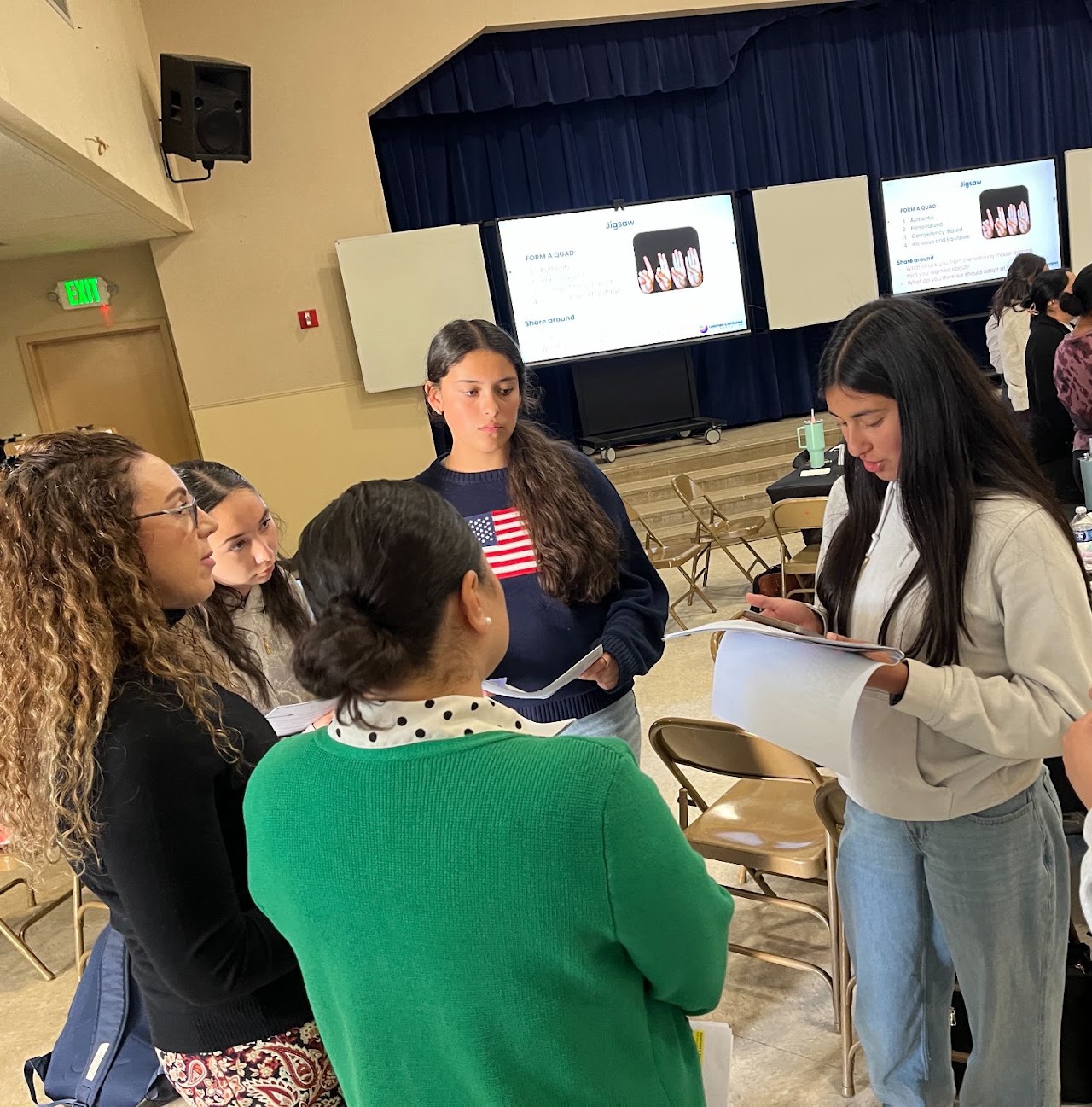
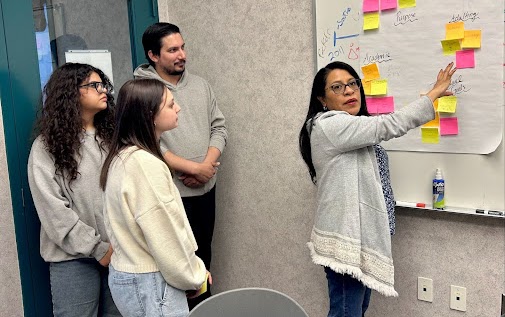
A small group huddled around presentation boards
Students and teachers at Keith McCarthy Academy iterating on their school redesign plans
As part of the Design Team at Keith McCarthy Academy in Lake Elsinore Unified School District, students and teachers come together to iterate on their school redesign plans.